Available on WhatsApp, the chatbot is designed to answer questions about Antarctica, its ecosystems, and the scientific research conducted by Chile on the continent. Users can explore topics such as why Antarctica plays a crucial role in regulating the Earth’s climate, how scientific teams live and work during research expeditions, Chile’s historical relationship with the continent, or the Antarctic Treaty System, the international framework that governs, protects, and preserves Antarctica and the surrounding Southern Ocean.
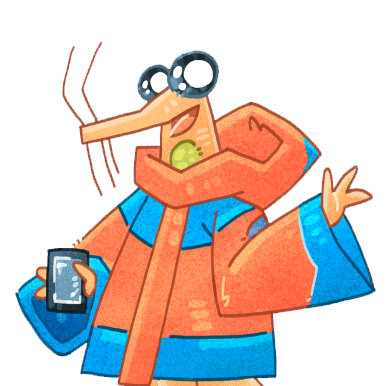
Information is delivered through a charismatic Antarctic krill, illustrated by Chilean artist Raúl Matus, which serves as the platform’s avatar, engaging users through approachable language grounded in scientific evidence.
The initiative is supported by a broad network of institutions committed to education, science outreach, and expanding public access to knowledge about Antarctica, including the National Center for Artificial Intelligence (CENIA), Chilean Antarctic Institute (INACH), Antarctic Youth Coalition, APECS Chile, Wikimedia Chile, National Youth Institute (INJUV), Chilean Guides and Scouts Association, Future Encounters Foundation, and the Chilean Association of Municipalities (AMUCH).
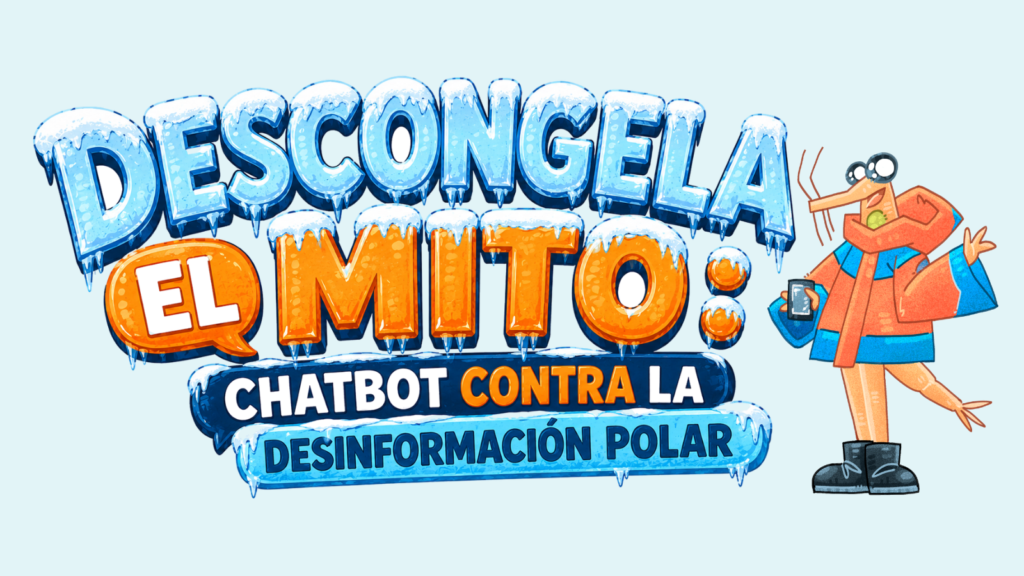
The chatbot was developed with the support of the Agencia Nacional de Investigación y Desarrollo (ANID) through the 2026 Fondo de Proyección al Medio Externo. It builds on the project Unfreeze the Myth: A Chatbot Against Polar Misinformation, an initiative that will deliver workshops and public talks in Santiago, Valdivia, Concepción, Punta Arenas, and Puerto Williams. These activities will encourage participants to examine myths, misinformation, and inaccurate claims about Antarctica while promoting digital literacy and critical thinking, together with research and education teams from the BASE Millennium Institute and the partner institutions supporting the initiative.